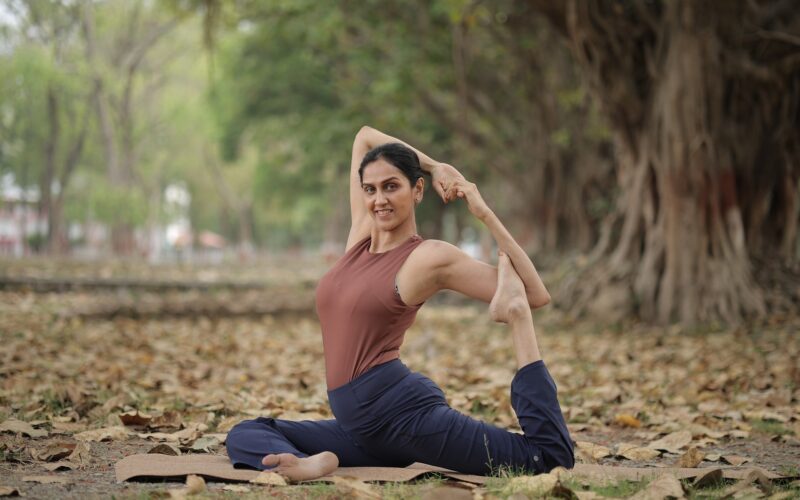
Starting a fitness programme often brings a focus on metrics such as weight lost, distances run, and weights lifted. People naturally fixate on these quantifiable goals to measure their progress. Yet a crucial psychological component frequently goes unnoticed in these rigorous routines. Gratitude, the simple practice of acknowledging positive aspects of life, plays a transformative role in achieving health objectives. Recognising what your body can currently do rather than punishing it for its limitations changes your entire approach to exercise. This shift turns physical activity from a chore into a rewarding experience. Individuals who practice thankfulness find themselves more committed to their fitness journeys and less likely to abandon their regimens when faced with setbacks.
Shifting from punishment to appreciation
Many individuals view their workouts as a form of penance for poor dietary choices or a sedentary lifestyle. This negative motivation might prompt initial bursts of activity, but it rarely sustains long-term behavioural change. When you replace guilt with gratitude, you begin to appreciate your body's resilience. Acknowledging the strength required to complete a challenging workout fosters a sense of pride rather than relief that the ordeal has ended. This positive reinforcement encourages consistency, which is the foundational element of any successful fitness endeavour. You start looking forward to movement because it feels like a celebration of health rather than a consequence of indulgence.
Gratitude also heavily influences recovery and stress management, both of which dictate physical progress. High levels of the stress hormone cortisol can severely impede muscle growth and encourage fat storage. Regularly practising thankfulness has been scientifically shown to lower cortisol levels and activate the parasympathetic nervous system. Better sleep quality translates directly into improved muscle recovery and higher energy levels for subsequent training sessions. By maintaining a thankful mindset, you are actively creating a physiological environment where your body can repair itself efficiently. This intrinsic link between psychological well-being and physical recuperation demonstrates why a holistic approach yields sustainable outcomes.
Building mental resilience through positive reflection
Progress in fitness is rarely linear, and injuries or stagnant phases are an inevitable part of the process. During these frustrating periods, a lack of gratitude can quickly lead to demotivation. However, a grateful mindset equips you with the mental resilience required to navigate these challenges without losing focus. Instead of obsessing over a stalled running time or a minor muscle strain, you learn to be thankful for the foundational fitness you have already built. This cognitive reframing prevents temporary obstacles from feeling like permanent failures. You remain engaged with your routine, perhaps modifying exercises to accommodate recovery, rather than quitting.
Furthermore, expressing appreciation for your fitness community enhances accountability and social support. Whether it involves thanking a personal trainer, a gym partner, or the staff at your local leisure centre, these expressions of gratitude strengthen interpersonal bonds. People thrive in environments where they feel valued, and projecting that positivity attracts similar energy. A strong support network becomes invaluable when internal motivation wanes. Knowing that others appreciate your presence provides a secondary layer of motivation to show up on difficult days. This shared sense of community transforms a solitary struggle into a collective pursuit of health, making the process significantly more enjoyable.
Embracing the lifelong journey of physical wellness
Integrating gratitude into your exercise routine requires intentional effort, but the resulting dividends are immeasurable. Taking a moment after each session to mentally acknowledge one positive aspect of your performance creates a lasting feedback loop of motivation. You stop viewing fitness as a finite destination and begin treating it as an ongoing, rewarding lifestyle. The focus moves away from achieving an arbitrary aesthetic standard towards maintaining a functional body capable of enjoying daily activities. As you continue to challenge yourself physically, let thankfulness be the underlying force that drives your consistency. By appreciating the remarkable machinery of your own body, you unlock a sustainable path to success.